NZ's Fuel Supply Undergoes a Seismic Shift: Why Korea & Singapore Are Now Critical
Fuel is the lifeblood of any modern economy. It powers transportation, drives industry, and keeps supply chains moving, making a stable, secure, and affordable supply non-negotiable for economic stability. For a geographically isolated nation like New Zealand, understanding where does NZ get oil from has always been a question of paramount national interest. However, a significant pivot in recent years has fundamentally reshaped the country's fuel landscape, thrusting South Korea and Singapore into indispensable roles.
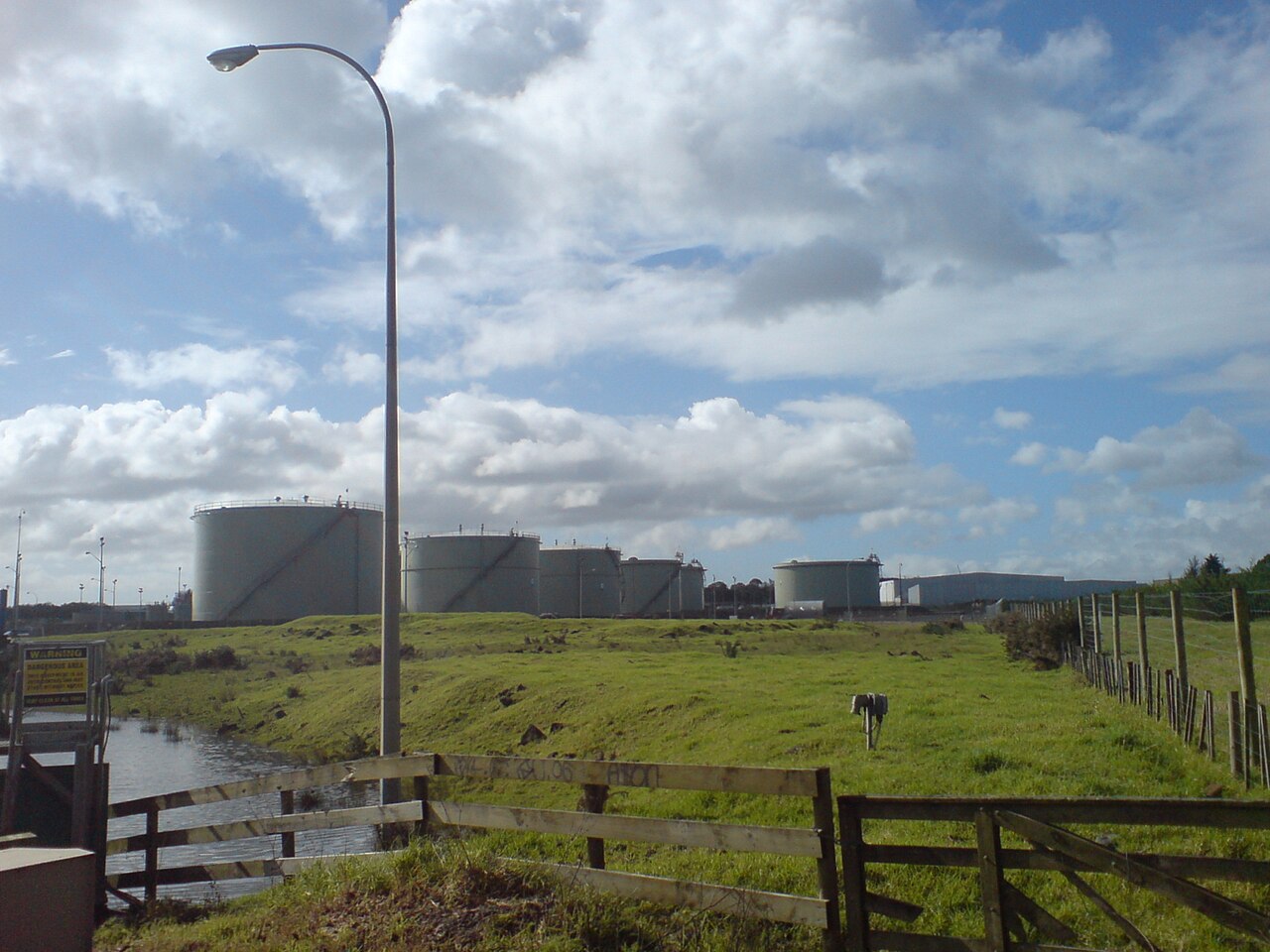
Historically, New Zealand maintained a blend of domestic refining and imported refined products. This balance provided a degree of control and flexibility. But the 2022 closure of the Marsden Point oil refinery in Northland marked the end of an era, transforming New Zealand into an entirely import-dependent nation for its refined fuel needs. This strategic shift has not only altered the origins of its fuel but also introduced new complexities and dependencies into its supply chain. For a deeper dive into this initial transition, you might find our article Where Does NZ Get Oil? The Post-Refinery Shift Revealed particularly insightful.
The Post-Marsden Point Paradigm Shift: From Crude to Refined Imports
The decision to cease operations at Marsden Point and convert it into a fuel import terminal was a watershed moment. Prior to 2022, New Zealand imported a mix of unrefined crude oil, predominantly from oil-producing nations like the UAE, which was then processed at Marsden Point. Alongside this, a smaller volume of already-refined fuel was also imported.
The rationale behind the closure stemmed largely from economic realities. Operating a relatively small refinery in a global market dominated by mega-refineries in Asia proved increasingly challenging. These larger facilities benefit from immense economies of scale, lower operating costs, and advanced technological capabilities, making it more cost-effective for New Zealand to import finished products than to refine its own. This strategic pivot means that instead of importing raw crude oil and managing the refining process domestically, New Zealand now relies solely on a steady stream of already-refined fuels from international suppliers.
Korea & Singapore: New Pillars of NZ's Fuel Security
Following the refinery closure, the sourcing map for New Zealand's fuel has undergone a dramatic transformation. Data from the 12 months leading up to March 2025 reveals a striking concentration of imports from two key Asian hubs:
- South Korea: Has emerged as the single largest source, contributing a substantial 48% of the total value of fuel imports.
- Singapore: Follows closely as the second-largest supplier, accounting for 33% of New Zealand's imported fuel value.
Together, these two nations now provide over 80% of New Zealand's refined fuel imports, a stark departure from the previous landscape where crude oil from the UAE and refined products from Australia played more prominent roles. Other significant, albeit smaller, partners over time have included Taiwan, Qatar, Indonesia, and Brunei Darussalam, highlighting the diverse but now highly concentrated nature of New Zealand's refined fuel sourcing.
This reliance on Korean and Singaporean refineries introduces a new layer to New Zealand's fuel security considerations. While these countries boast some of the world's most advanced and efficient refining capabilities, any disruptions to their refining output, operational costs, or even trading relationships could have considerable ripple effects on New Zealand's energy system. Factors such as geopolitical stability in Asia, shipping lane security, and the ongoing health of their refining sectors are now directly pertinent to New Zealand's economic resilience.
For businesses and consumers alike, understanding these new dependencies is crucial. It means that while the immediate source is now refined fuel from Asia, the underlying dynamics that influence global fuel prices remain complex and far-reaching.
Unpacking the Global Tapestry: Middle East Connections & Price Dynamics
Despite the shift to importing refined products primarily from Korea and Singapore, New Zealand's fuel security and pricing remain inextricably linked to the Middle East. Why? Because the refineries in Korea and Singapore themselves largely depend on crude oil sourced from the Middle East, particularly from major producers like Saudi Arabia and the UAE.
This means that while the processing location has changed, the ultimate origin of the raw material has not. Consequently, the price of fuel at New Zealand pumps is still heavily influenced by Middle Eastern oil prices. The Dubai crude oil price reference point remains the most accurate and relevant benchmark for New Zealand to track, offering the best indication of future price movements. Any volatility in this region, whether due to supply disruptions, political tensions, or production decisions by OPEC+, will inevitably translate into price fluctuations for New Zealand consumers and businesses.
Practical Tip: Businesses heavily reliant on fuel should monitor international crude oil benchmarks like Dubai crude, Brent, and WTI to anticipate future fuel cost changes. Building strong relationships with local fuel suppliers and exploring hedging strategies where feasible can also help mitigate price risks. For a broader perspective on the global elements shaping New Zealand's energy future, explore our article on New Zealand Fuel Security: Understanding Our Global Oil Sources.
Beyond the Barrel: Economic Implications and Future Considerations
The transformation of New Zealand's fuel supply chain carries significant economic ramifications. The increased reliance on refined fuel imports from Korea and Singapore has notably impacted New Zealand's trade balance. Discussions with Korean trade experts have highlighted that New Zealand's trade deficit with Korea has expanded considerably, reaching nearly $4 billion in the 12 months to December 2024. While Singapore currently holds the largest trade deficit with New Zealand (around $5.3 billion), a significant portion of this is also attributable to fuel imports.
This shift underscores the importance of strong diplomatic and trade relationships with these key Asian partners. Maintaining open trade routes, fostering stability in the Indo-Pacific region, and engaging in strategic dialogues with Korea and Singapore are now more critical than ever for ensuring a continuous and affordable fuel supply for New Zealand.
Looking ahead, New Zealand must continually assess its fuel security strategy. While the current model leverages the efficiency of large-scale Asian refineries, it also centralises risk. Future considerations might include:
- Diversification of refining partners: While Korea and Singapore are dominant, exploring other reliable refined fuel sources could offer additional resilience.
- Strategic fuel reserves: Maintaining robust national fuel reserves remains a critical defence against short-term supply disruptions.
- Investment in alternative fuels: Accelerating the transition to electric vehicles, hydrogen, and biofuels can reduce overall reliance on imported fossil fuels in the long term.
- Supply chain resilience: Strengthening internal logistics and distribution networks to minimise the impact of any international shipping delays.
The legacy of past fuel crises, such as the 1979 Iranian revolution which led to New Zealand's "carless days" initiative, serves as a powerful reminder of the vulnerability inherent in fuel supply. While that particular response proved ineffective and short-lived, the underlying tension about energy security persists. New Zealand's current fuel strategy represents a calculated decision to optimise costs and efficiency, but it simultaneously places greater emphasis on robust international partnerships and a vigilant approach to global energy markets.
Conclusion
New Zealand's journey to securing its fuel supply has evolved dramatically, shifting from a mixed model of domestic refining and imports to a fully import-dependent system. Korea and Singapore have emerged as indispensable partners, supplying the vast majority of the nation's refined fuel. While this leverages the efficiency of large-scale Asian refineries, it also means New Zealand's economic stability and fuel prices are increasingly tied to the refining outcomes in these nations and the persistent influence of Middle Eastern crude oil markets. Understanding these new dependencies, nurturing key trade relationships, and proactively planning for future energy needs will be paramount for New Zealand to maintain a resilient and secure fuel future.