The Post-Refinery Shift: Unpacking Where NZ Gets Its Oil From
Fuel is the lifeblood of any modern economy, powering transportation, enabling commerce, and underpinning the intricate supply chains that keep nations moving. For an island nation like New Zealand, understanding where NZ gets oil from is not just a matter of curiosity, but a crucial element of economic stability and national security. The landscape of New Zealand's fuel supply underwent a seismic shift in 2022, fundamentally altering how the country sources its energy and forging new dependencies on global refining hubs.
Historically, New Zealand maintained a degree of self-sufficiency in refining, processing a mix of imported crude oil and refined products. However, the closure of the Marsden Point oil refinery in Northland marked the end of an era, transitioning the nation to an entirely import-based model for its refined fuel needs. This pivotal change has redefined our fuel security considerations and brought new trading partners to the forefront.
The End of an Era: New Zealand's Refinery Closure and Its Impact
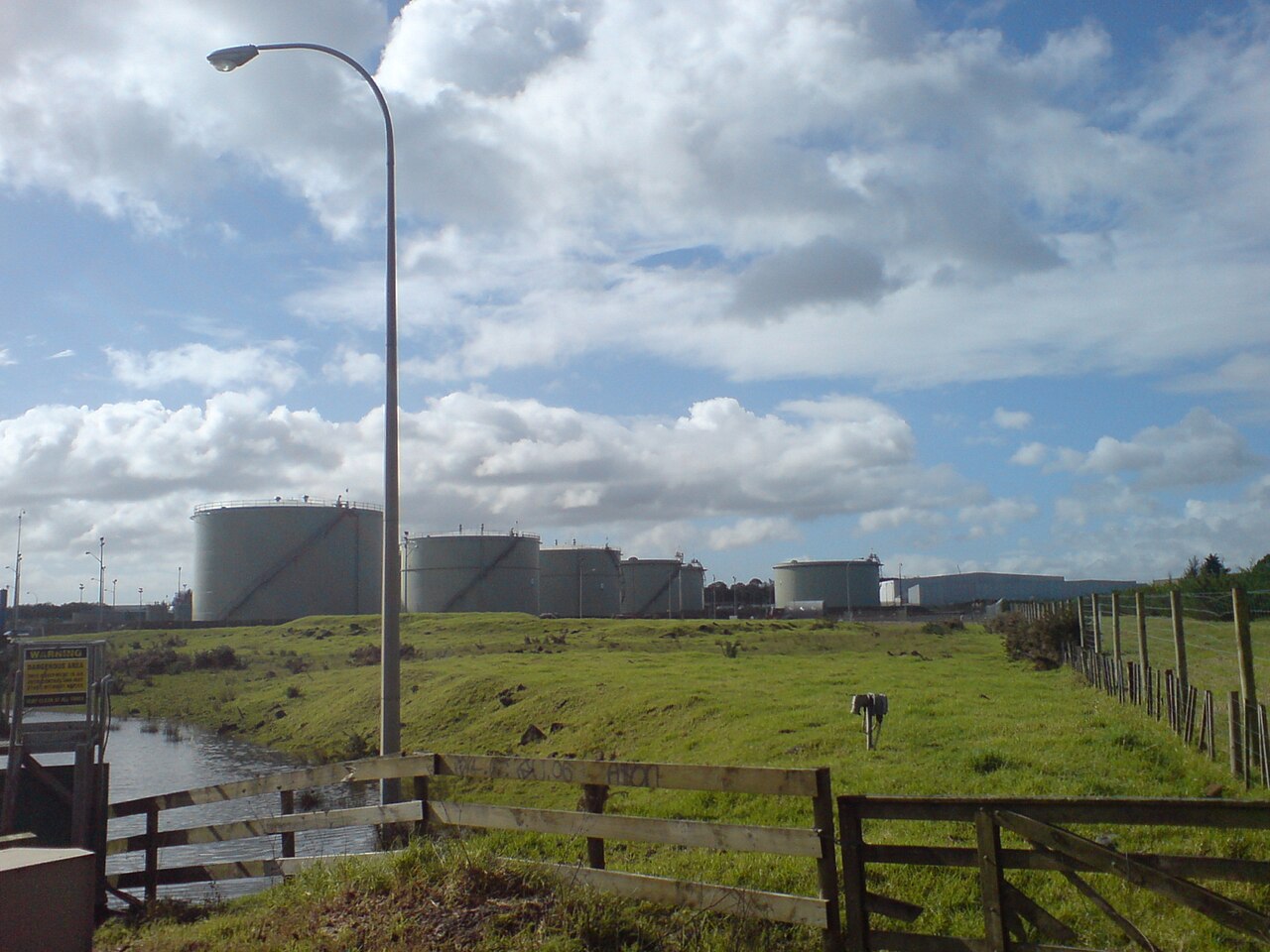
For decades, the Marsden Point refinery was a cornerstone of New Zealand's energy infrastructure. It processed unrefined crude oil, primarily sourced directly from oil-producing nations like the United Arab Emirates, into the petrol, diesel, and jet fuel that powered the country. This model offered a degree of control over the refining process within national borders, providing a buffer against certain global supply chain disruptions.
However, the global refining industry has evolved significantly. Larger, more modern refineries in Asia boast superior economies of scale and lower operating costs, making it increasingly challenging for smaller operations like Marsden Point to compete. The decision to convert Marsden Point into an import-only terminal in 2022 was a recognition of these global economic realities. Consequently, New Zealand now imports virtually all of its fuel as already refined products, rather than crude oil to be processed locally.
This strategic shift fundamentally changed the answer to where NZ gets oil from. It moved the primary refining stage offshore, integrating New Zealand more deeply into the broader Asian fuel supply chain. While this move promised potential efficiencies and access to a wider range of refined products, it also introduced new complexities regarding supply security and trade relationships.
Where Does NZ Get Oil From Now? The New Sourcing Landscape
Since the refinery's closure, the sourcing map for New Zealand's fuel has been redrawn dramatically. The direct import of crude oil from producers like the UAE has largely ceased, replaced by refined fuel imports from major refining hubs in Asia. This is the clearest answer to where NZ gets oil from today.
Current data indicates that Korea has emerged as New Zealand's single largest supplier of refined fuel. Over the 12 months leading up to March 2025, Korea contributed an astounding 48% of the total value of fuel imports. Following closely, Singapore secured its position as the second-largest source, accounting for 33% of New Zealand's total fuel imports. These two nations collectively supply the vast majority of New Zealand's fuel needs.
It's important to understand that while New Zealand now imports refined fuel from Korea and Singapore, the raw material for these products still originates from the traditional oil-producing regions. Both Korea and Singapore themselves import vast quantities of unrefined crude oil, primarily from the Middle East, with Saudi Arabia and the UAE being prominent suppliers. Therefore, New Zealand's fuel security, while indirectly tied to these Asian refining giants, remains intrinsically linked to the stability and output of Middle Eastern oil fields.
A Look Back: Historical Fuel Partners
Before the 2022 transition, New Zealand's fuel imports were a more diversified mix. While the UAE was a major source for crude oil, Australia historically played a significant role as a supplier of refined fuel. Other important import partners over time, though in smaller volumes, have included Taiwan, Qatar, Indonesia, and Brunei Darussalam. This historical context illustrates a gradual shift, culminating in the decisive change brought about by the Marsden Point closure. The concentration of supply on Korea and Singapore represents a significant evolution in New Zealand's trade relationships for vital energy resources.
Fuel Security in a Post-Refinery World
The concept of fuel security has evolved for New Zealand in this new era. While the immediate question of where NZ gets oil from points to Asia, the underlying reality is more complex. Our reliance on Middle Eastern crude oil, albeit indirectly through Asian refineries, means that global oil market dynamics, particularly those influencing Dubai crude oil prices, continue to be the primary determinant of fuel costs at the pump in New Zealand.
However, a new layer of dependency has been added. The refining output, operational stability, and logistical efficiency of major refineries in Korea and Singapore now play an increasingly critical role. Any significant import issues, trading delays, or unexpected changes to refining outcomes in these key hubs could have a considerable ripple effect across New Zealand's fuel system. This necessitates not only monitoring global oil prices but also fostering robust diplomatic and trade relationships with these new primary suppliers.
Ensuring fuel security in this context requires a multi-faceted approach. Strategic fuel reserves, diversification of supply routes where possible, and ongoing diplomatic engagement with both primary crude producers and key refining nations like Korea and Singapore are paramount. For a deeper dive into these strategies, read our article: New Zealand Fuel Security: Understanding Our Global Oil Sources.
Economic Implications and Trade Balances
The shift in where NZ gets oil from has also had tangible effects on the country's trade balances. New Zealand's trade deficit with Korea has notably expanded, reaching nearly $4 billion in the 12 months leading up to December 2024. Similarly, the deficit with Singapore stands even higher, at around $5.3 billion.
These figures highlight the substantial financial outflow associated with importing refined fuel. While necessary, this increased spending on fuel imports contributes significantly to New Zealand's overall trade deficit, underscoring the economic impact of being entirely reliant on offshore refining. For New Zealand, managing these trade relationships and understanding the economic drivers behind global fuel prices are more critical than ever.
Beyond the Pump Price: Understanding the Global Chain
For businesses and consumers alike, understanding this complex global supply chain is vital. Fluctuations in international oil prices, refinery maintenance schedules in Korea or Singapore, or even geopolitical tensions in the Middle East can translate directly into changes at the local fuel pump. Businesses reliant on transportation and logistics must factor in this increased sensitivity to global events when planning operations and pricing. Similarly, consumers can benefit from understanding the global forces that dictate the cost of their daily commute or weekly grocery run. To explore why these Asian partners are so crucial now, check out: NZ's Fuel Supply: Why Korea & Singapore Are Now Critical.
Conclusion: Navigating New Zealand's Global Fuel Future
The closure of the Marsden Point refinery fundamentally altered the answer to where NZ gets oil from. New Zealand has embraced a fully refined fuel import model, primarily sourcing from technologically advanced and cost-efficient refineries in Korea and Singapore. While this transition offers certain economic benefits, it also embeds New Zealand deeper into a complex global energy web, where its fuel security is now a function of both Middle Eastern crude oil stability and the operational integrity of key Asian refining hubs.
As New Zealand continues to navigate this new energy landscape, maintaining strong international relationships, diversifying supply options where possible, and strategically monitoring global energy market trends will be paramount. The country's economic resilience and stability will increasingly depend on its ability to manage the opportunities and challenges presented by this post-refinery shift.